How to keep reusable shopping bags clean, dry and ready
· Editorial team orlandonewsdaily24.com
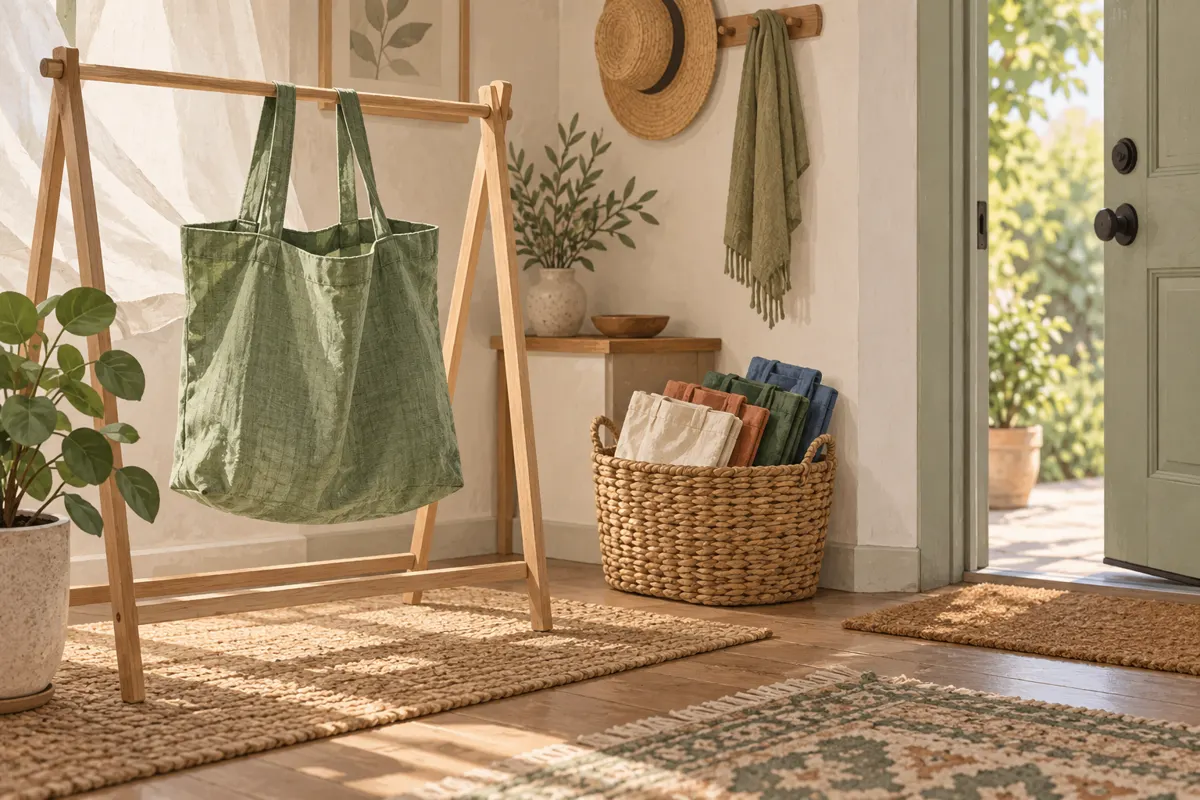
Empty reusable shopping bags after every grocery trip, clean them according to their care labels and let them dry completely before folding them away. In humid weather, give drying its own place in the routine: leave bags open, check the corners and lining, then return them to a spot you will notice before your next shop.
Start with an empty bag and a care-label check
Before putting bags away, remove receipts, loose produce leaves and crumbs. Open each bag fully and inspect the bottom, seams and handles for spills or damp patches. A quick check while unpacking makes it easier to catch a mess before the bag gets folded and forgotten.
Read the care label before choosing a cleaning method. Bags that look similar can have different coatings, linings or inserts. Follow any instructions about washing, water temperature and drying. If the label is missing, look for the maker’s care instructions rather than assuming that every fabric-looking bag belongs in the washing machine.
Match the cleaning method to the material
The supplied cleaning guide distinguishes washable fabric bags from laminated or plastic-coated bags. Use that distinction as a starting point, with the bag’s own care instructions taking priority. Choose a cleaner suitable for the surface and follow its directions; a particular brand is not necessary to establish the routine.
- Washable fabric bags: if the care label permits machine washing, use laundry detergent and the recommended cycle. The cleaning guide suggests a gentle cycle followed by complete air drying.
- Laminated or plastic-coated bags: wipe the inside and outside with a suitable cleaner and cloth. Pay attention to the bottom and areas where groceries have left marks.
- Insulated bags or bags with rigid inserts: check their specific instructions before washing or soaking. Clean accessible surfaces as directed and remove inserts only if they are designed to come out.
Do not limit cleaning to the most visible stain. Check handles, folds and the inside corners too. Remove any cleaning residue as the product instructions require, then move the bag straight to its drying spot.
Let bags dry fully before folding
Complete drying is the step that should come before storage. A bag can feel dry on the outside while its lining or folded bottom remains damp. In humid weather, avoid relying on a fixed drying time: check the bag itself before putting it away.
- Open the bag wide so its sides and bottom are exposed to air.
- Hang it or place it where air can circulate, keeping wet bags separate rather than stacked together.
- Check seams, corners, handles and any lining by touch before folding.
- If any part still feels damp, leave the bag open longer. Fold it only when it is dry throughout.
A practical proposal is to designate one hook or drying-rack space for bags awaiting storage. That gives damp bags a visible stopping point instead of sending them straight into a cupboard or the car.
Fold dry bags into a manageable bundle
For flexible bags, a simple rectangular fold can reduce the space they occupy and make several easier to carry together. The Kitchn describes using the handles to hold the folded bag closed. Try this only where the bag’s shape and material allow an easy fold.
- Flatten the clean, dry bag.
- Fold it lengthwise into thirds.
- Fold upward from the bottom toward the handles, making a rectangle sized to fit within the handle loops.
- Slip the handles around the bundle to hold it together. Adjust the fold if they are too tight or loose.
Keep structured bags in their natural shape if folding requires force. A proposed storage setup is one larger bag or small basket holding the dry shopping set, so you can grab everything at once.
Make returning bags part of unpacking
The cleaning guide suggests a weekly wash or wipe-down. Use a regular reminder alongside the after-shopping check, and deal with spills when you find them rather than waiting for that reminder.
For remembering bags, try this proposed routine: unpack, inspect, clean if needed, dry, fold and return. Choose a return spot beside your shopping list, near the door or with the items you take on errands. If you keep bags in the car, return them only after they are fully dry. The useful storage place is the one that fits how you actually leave for shopping.